

Have you heard about the Mediterranean?
You probably picture sunny beaches, olive-tree-studded hills, the smell of fresh fish in the air, and smiling people who are in no hurry.
But what is the secret to the fact that people in these countries – like Italy, Greece, or Spain – not only live longer but also seem to live happier lives?
The answer lies partly on the dining table.

The Mediterranean diet and lifestyle is one of the best-known and healthiest dietary patterns in the world, based on the traditional eating habits of the countries bordering the Mediterranean Sea.
The diet’s characteristics extend beyond meals to lifestyle, offering a mindful way to prepare and enjoy meals and placing great emphasis on shared eating, moderate wine consumption, regular movement, and stress management.
The Mediterranean diet is not just another trendy diet. It’s a way of life: full of color, flavor, simplicity, and joy.
This diet doesn’t prohibit or measure, but shows how nutrition can be a source of joy, while your body and heart will be grateful for it.
People who follow the Mediterranean diet often live longer and healthier lives.
The diet is rich in vitamins, minerals, and antioxidants that help cells regenerate and fight disease.
According to scientific research, the benefits of the Mediterranean diet include longer life expectancy, reduced risk of chronic illnesses, and better overall well-being. It may also help lower the risk of heart attack, stroke, and heart disease.

Not Just a Diet, But a Lifestyle
Mediterranean cuisine actually refers to the cuisine of several nations – including Italy, Greece, Portugal, Spain, Turkey, Morocco, and Malta – all part of the Mediterranean region.
What unites these diverse cuisines is that, despite cultural differences, they share similar principles.
Simplicity is the hallmark of Mediterranean cooking, both in the food and in the preparation methods.
The climate and proximity to land and sea are also key.
The most basic ingredients are seasonal vegetables and fruits, legumes, grains, and olive oil – just like the diet of The Blue Zones, where people live longer.
Core Ingredients and Nutrition
The Mediterranean diet is based on the use of fresh, seasonal, and whole-food ingredients.
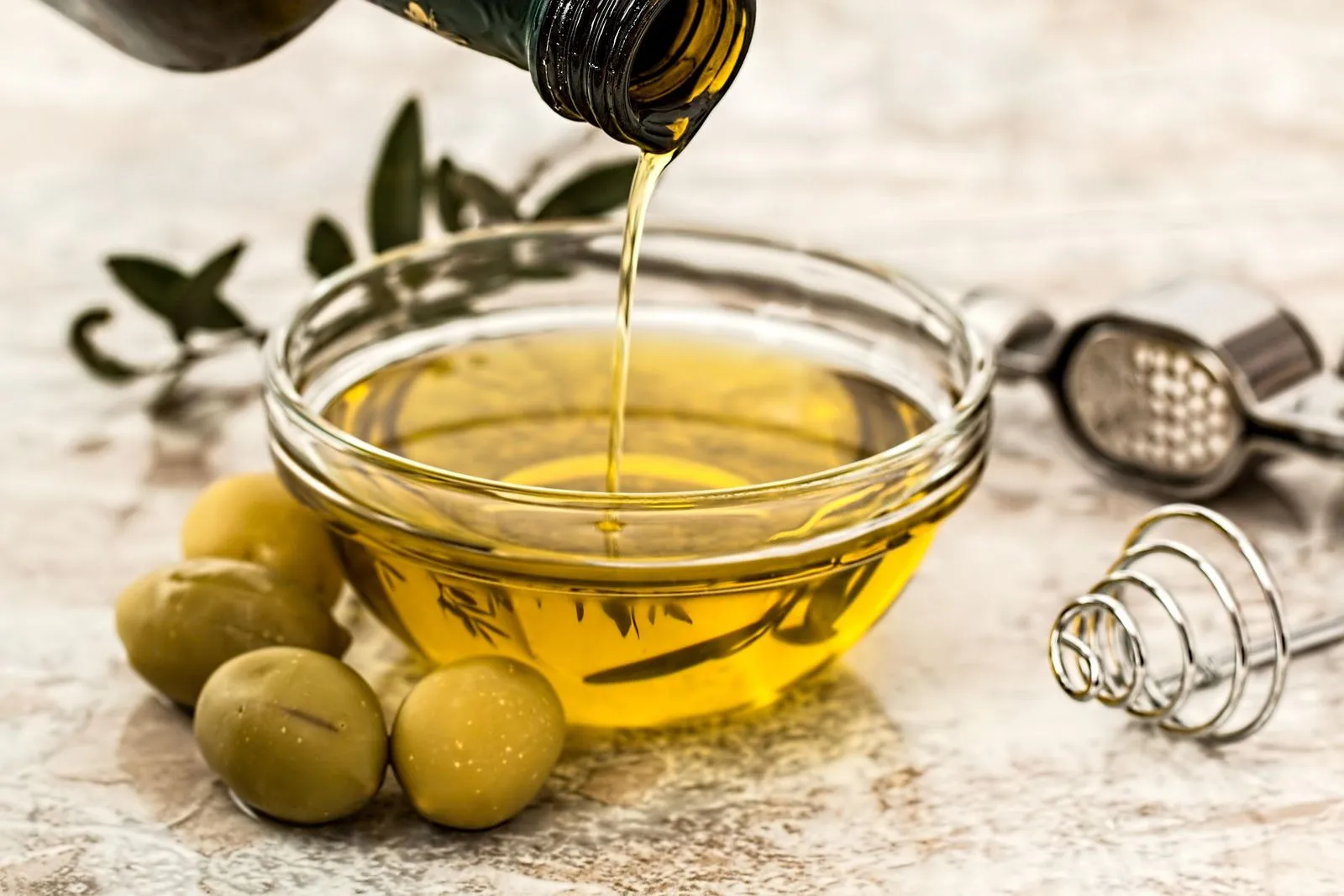
Extra Virgin Olive Oil
Extra virgin olive oil has been a cornerstone of Mediterranean diets for thousands of years. Its value lies not only in its rich flavor but also in its protective health effects.
This monounsaturated fatty acid is rich in antioxidants and an excellent source of vitamin E.
Vegetables and Fruits
The Mediterranean diet is dominated by vegetables and fruits – mainly tomatoes, peppers, eggplant, spinach, and citrus fruits. These foods are rich in vitamins, minerals, and antioxidants.
Whole Grains and Legumes
Rice, quinoa, bulgur, barley, and other whole grains, as well as legumes like lentils, chickpeas, and beans, are essential parts of the Mediterranean diet.
These foods are rich in fiber, which aids digestion and stabilizes blood sugar levels.
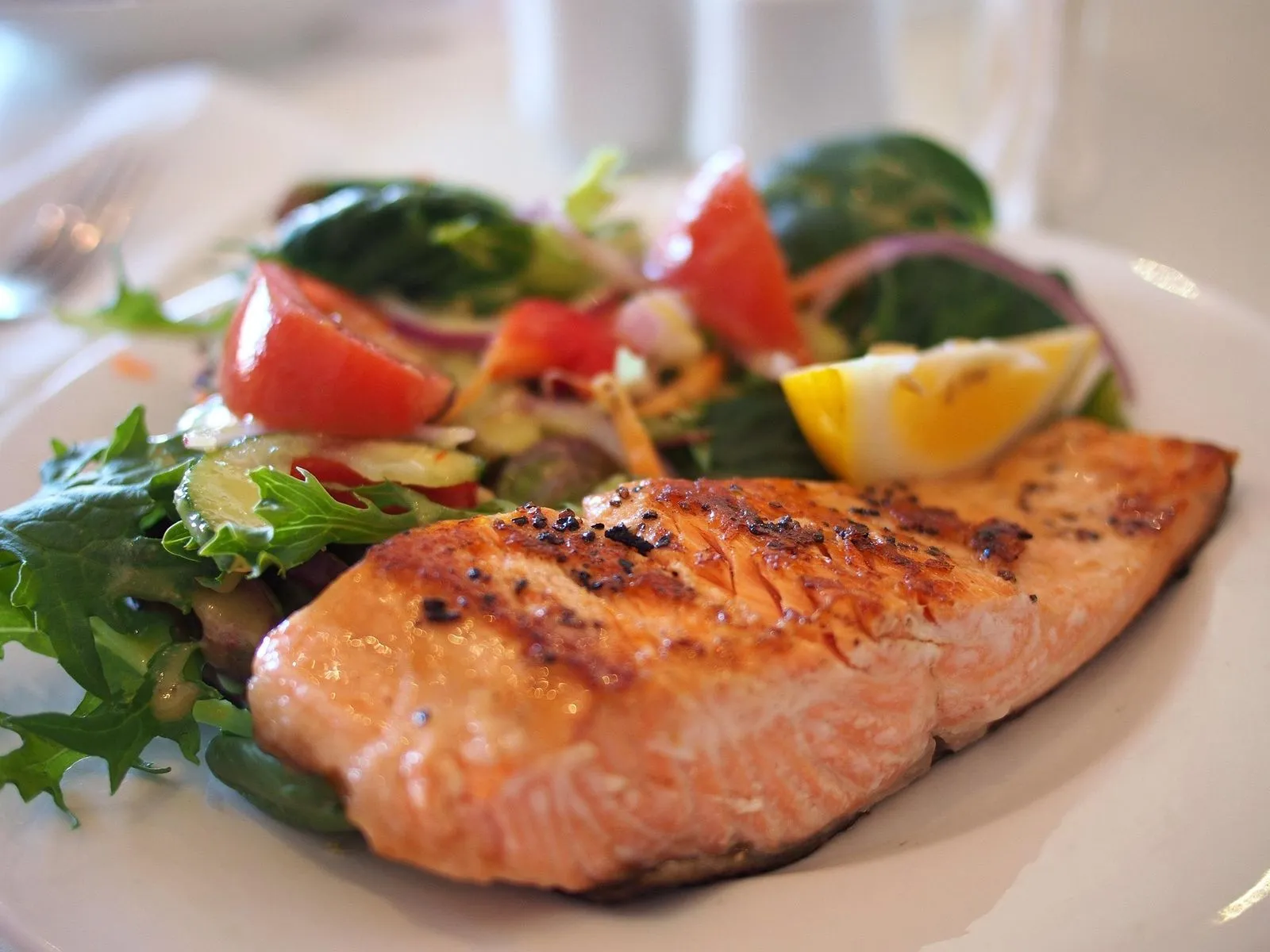
Fish and Seafood
Along the Mediterranean coast, meals often feature fresh fish like sardines, tuna, salmon, or cod, as well as seafood such as mussels, crab, and oysters.
Fish and seafood are rich in omega-3 fatty acids, which are known to support brain and heart health.
White Meats, Especially Chicken
Red meat (like beef or pork) is consumed only occasionally and in small amounts.
Chicken, turkey, and other lean white meats are preferred protein sources.
Dairy Products and Cheese
The Mediterranean diet includes dairy products, especially yogurt and cheeses such as feta or parmesan. However, they usually play a supporting role – adding flavor rather than dominating the meal.
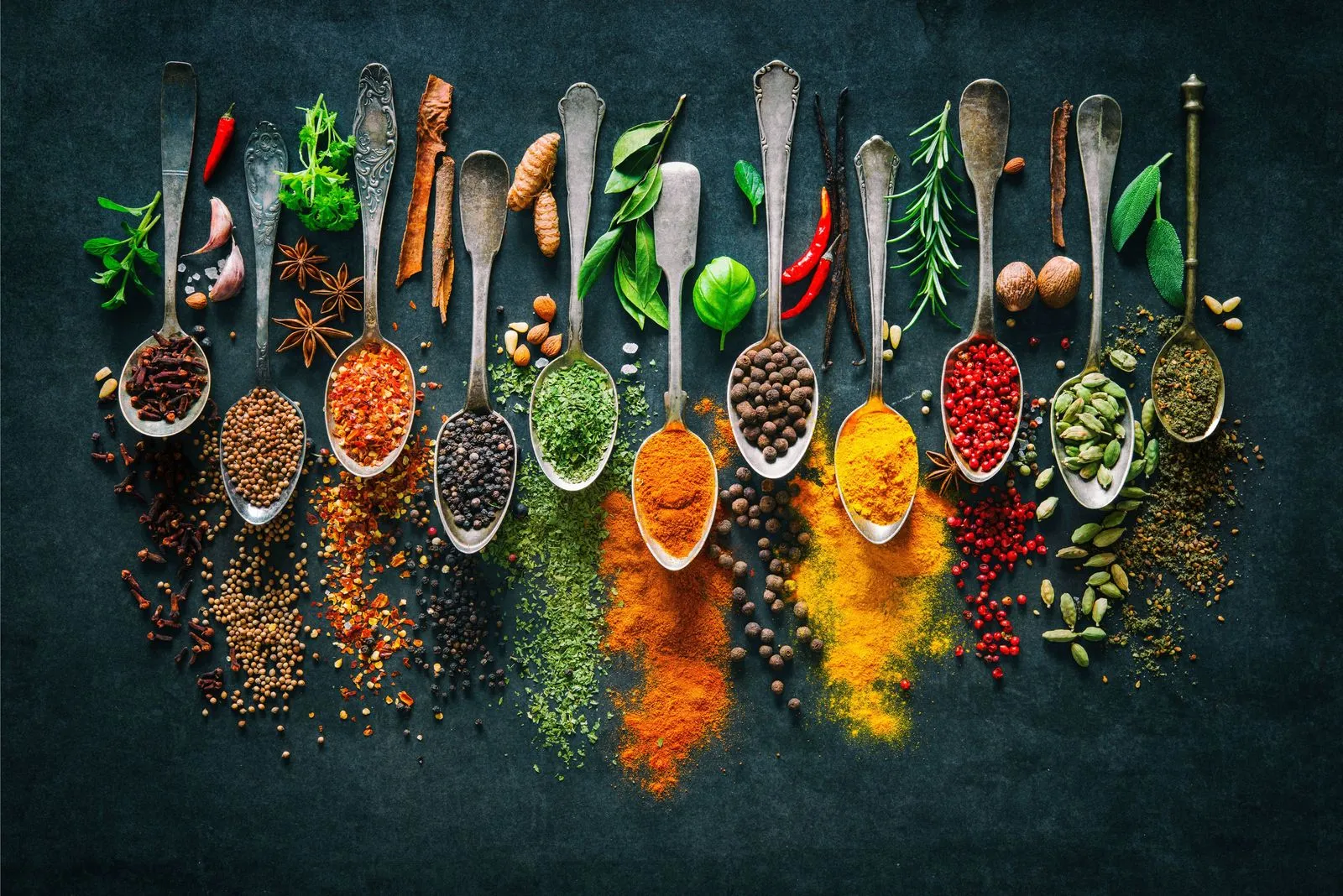
Spices and Herbs
No Mediterranean dish would be complete without fresh and dried herbs.
It varies by region, which one is preferred: Italian cuisine celebrates basil; Greek dishes are defined by mint and dill; thyme and tarragon give French specialties their charm; and coriander and parsley are most popular in Morocco.
Beyond Food: The Mediterranean Way of Life
Communal Eating
The Mediterranean diet is not just about nutrition – it also emphasizes the cultural and social aspects of eating. Meals are often shared with family or friends, which promotes healthy relationships and social interactions.
Regular Exercise
Staying active is another aspect of the Mediterranean lifestyle. Walking, cycling, gardening, or even dancing can be part of your daily routine.
Regular exercise strengthens both body and mind – reducing stress, improving sleep, and boosting energy.

Slow Eating and Enjoyment
One of the most essential characteristics of the Mediterranean lifestyle is slow, unhurried eating – savoring each bite.
Meals are enjoyed as social experiences rather than rushed tasks, which enhances digestion and supports mindful eating.
Relaxation and Stress Management
People in the Mediterranean region place a high emphasis on rest and relaxation.
The pace of life is slower, and they spend more time outdoors and with loved ones.
Taking time to rest and disconnect – whether it’s a short nap, a seaside walk, or an afternoon coffee – is considered essential for balance and happiness.
Moderate Wine Consumption
Alcohol can be part of the Mediterranean diet, but moderation is key.
Wine – particularly red wine – is often enjoyed with meals and in company. Red wine contains antioxidants such as resveratrol, which may support heart health.
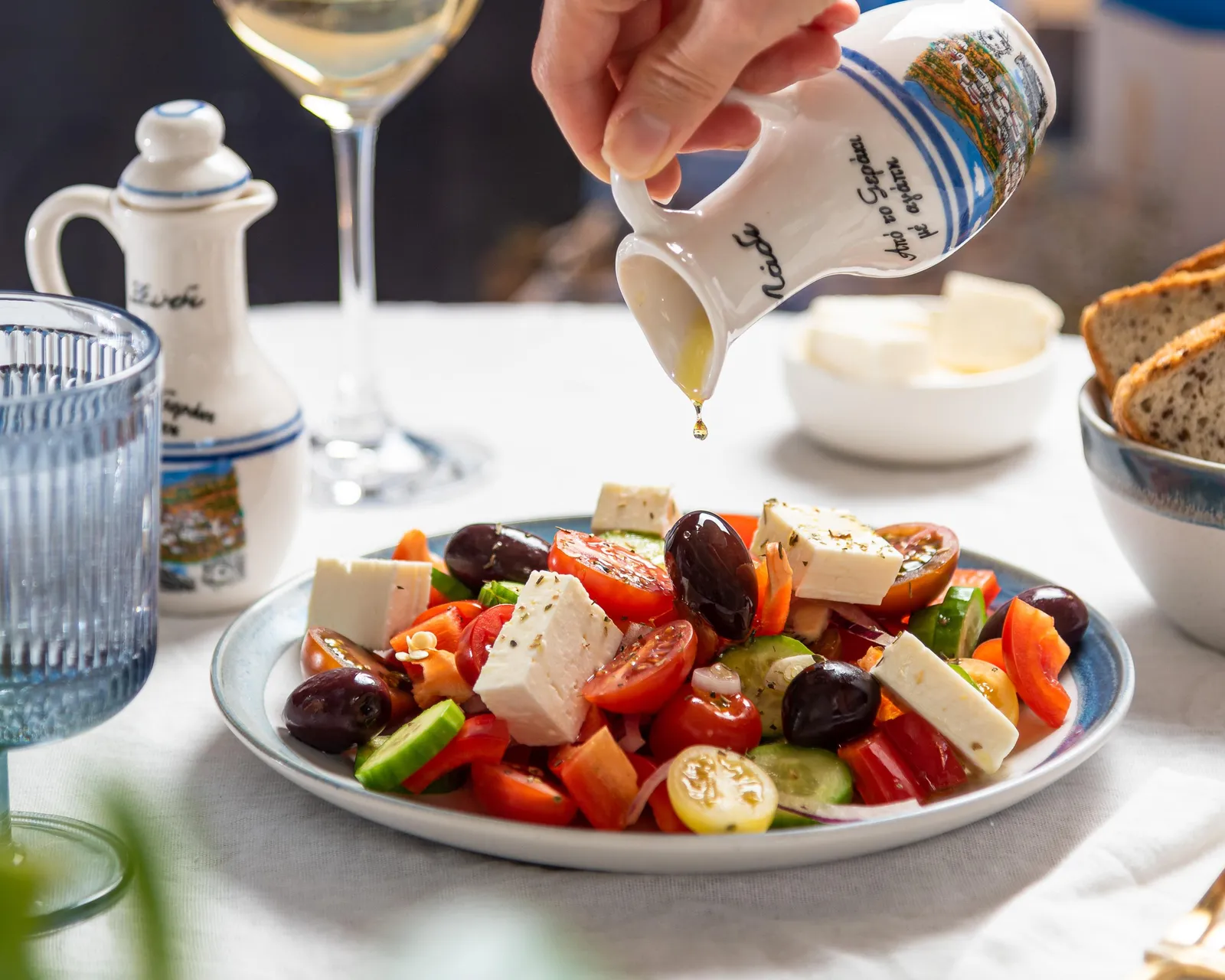
Top Health Benefits of the Mediterranean Diet
The Mediterranean diet is abundant in fruits, vegetables, nuts, seeds, and extra virgin olive oil – all rich in antioxidants that fight inflammation and oxidative stress, two key factors in aging and chronic disease.
The high fiber content of legumes, vegetables, and whole grains supports a healthy gut microbiome, which plays a crucial role in digestion, immunity, and reducing inflammation. Chronic inflammation is a root cause of many age-related diseases, and this diet helps combat it naturally.
The omega-3 fatty acids from fish, nuts, and olive oil support cardiovascular and brain function and may help reduce the risk of cognitive decline as we age.
The Mediterranean diet also emphasizes foods with a low glycemic index, which help maintain stable blood sugar levels and reduce the risk of diabetes. These balanced meals also help you feel full longer – naturally curbing overeating.
8 Things You Can Incorporate Into Your Everyday Life
- Beans and other legumes: lentils, chickpeas
- Nuts and seeds: almonds, pistachios, walnuts, sunflower, and sesame
- Herbs and spices: oregano, basil, rosemary, thyme, and sage
- Fish and seafood, lean white meats (chicken, turkey)
- Dairy products – mostly cheese and yogurt
- Drinking adequate water daily
- Lots of colorful vegetables and fruits
- Whole grains – brown rice, quinoa, bulgur, whole-wheat bread
8 Things You Should Reduce or Avoid
These are foods often linked to obesity and chronic diseases:
- Sugar and sugary foods
- Refined flours and processed grains, like white bread and pastries
- Ready-made meals filled with preservatives
- Store-bought dressings and sauces – make your own for a cleaner option
- Processed meats (choose nitrate-free alternatives)
- Alcohol – except for moderate red wine with meals
- Sugary soft drinks – replace them with sparkling water, herbal teas, or natural juice in moderation
- Refined vegetable oils – use olive oil instead

The Mediterranean Diet: A Celebration of Flavor and Balance
The Mediterranean diet is a true celebration of flavor – fresh, colorful, and full of variety.
The best part?
You don’t have to make dramatic changes. Even small, mindful steps in a healthier direction can make a big difference in your overall well-being.
This lifestyle is not just healthy but also joyful – it teaches you how to enjoy food while caring for your body and mind.It’s not about restriction – it’s about balance, community, and the simple pleasure of eating well.
You might also find these posts helpful:


